
A Different Way to Think About Family Portraits
An editorial reflection on memory, presence, and everyday adventures
This is a companion piece to our original post on what Adventure Family Portraits are. In this essay, we explore the emotional logic behind why families choose this approach and what it reveals about memory and presence.
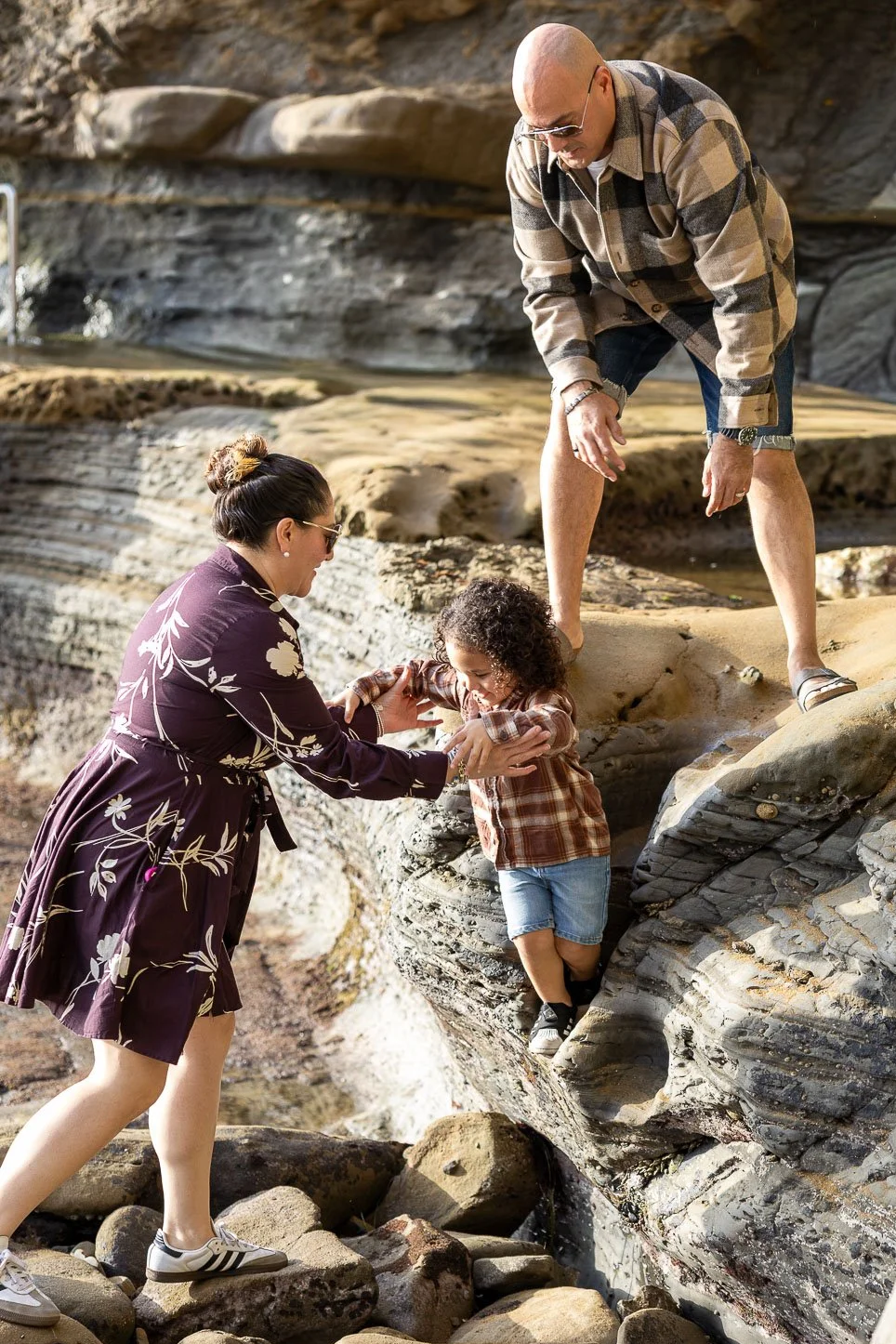
Your Family Has More Adventures Than You Realize
Most families think of adventure as something big. A trip. A milestone. A moment that required planning. But when you look back on what actually stays with you, it is often the quieter things.
It was a walk that took longer than expected. The detour that turned into a story. The afternoon that felt ordinary until years later, when you realized it was not.
Adventure is not defined by distance or effort. It is defined by time spent together and by shared experiences that matter simply because they were lived as a family.
Why So Many Family Photos Feel the Same
Many family photos are created the same way, which often leads to them feeling interchangeable over time. Everyone stands where they are told. Everyone looks where they are asked. The moment is over as soon as the photo is taken.
Even when the photos are beautifully made, they do not always carry much memory with them. It can be hard to remember what was happening, what was said, or how it felt to be there together.
When the experience behind the photograph is predictable, the images that come from it often blend together in our minds.
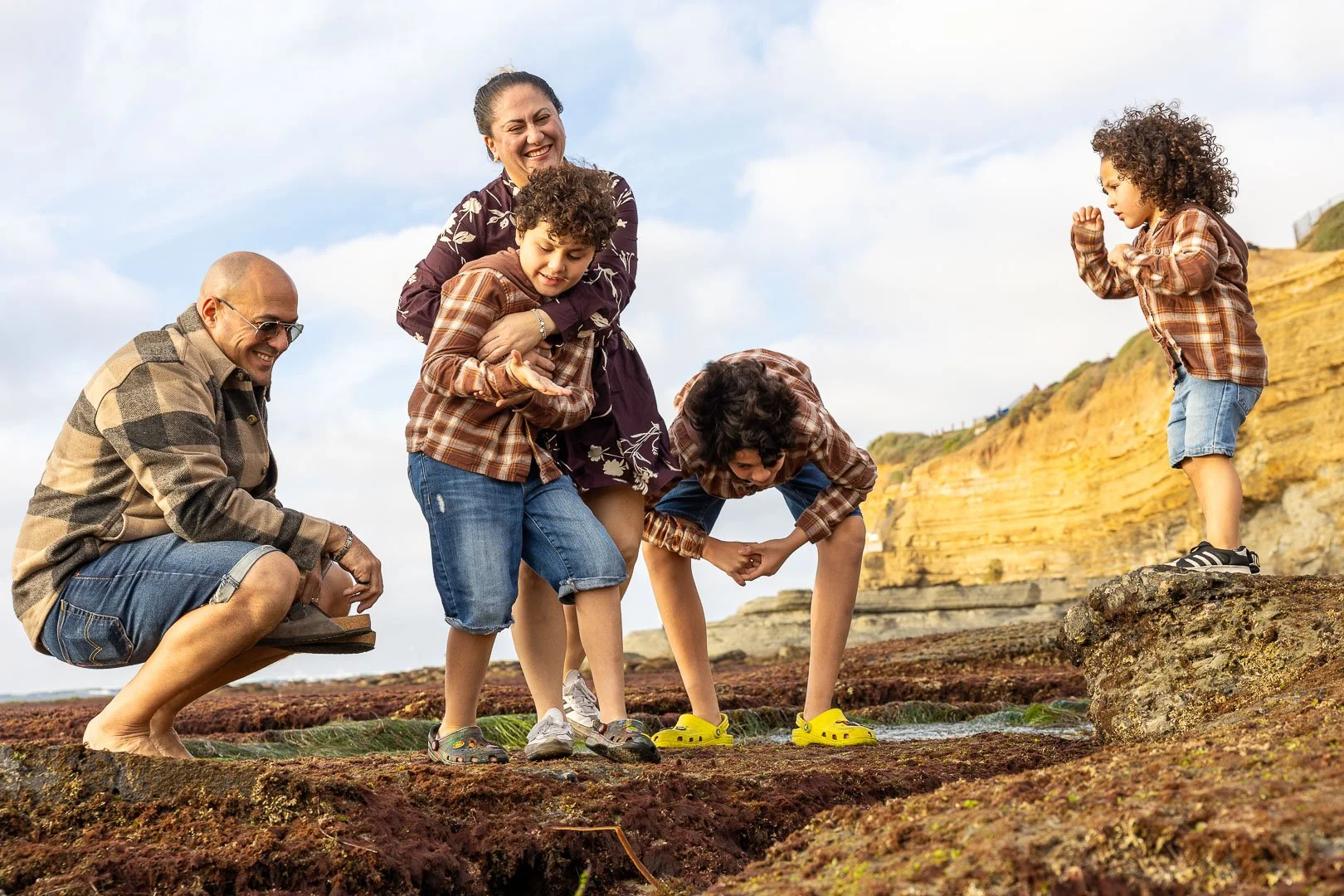
Remember What Family Photos Felt Like When You Were a Kid or Teen
Most parents can remember how family photos felt growing up. The pressure to behave. The awkwardness of standing still. The feeling that the photo mattered more than the moment itself.
Those experiences stay with us, even if we do not think about them often. They shape how we approach being photographed now and how our kids feel when it is their turn.
This experience is designed with that memory in mind. Not to recreate it, but to offer something different. Something that allows kids and teens to feel like themselves, without being asked to perform or fit into a role.
When a Photograph Holds a Memory, Not Just a Moment
A photograph can do more than show who was present. It can bring you back into the experience itself.
When an image is connected to a real moment, something that unfolded naturally, it carries more meaning. It becomes a way to return to how it felt to be there together.
Years later, these photographs do not just show what your family looked like. They help you remember a moment you actually lived.
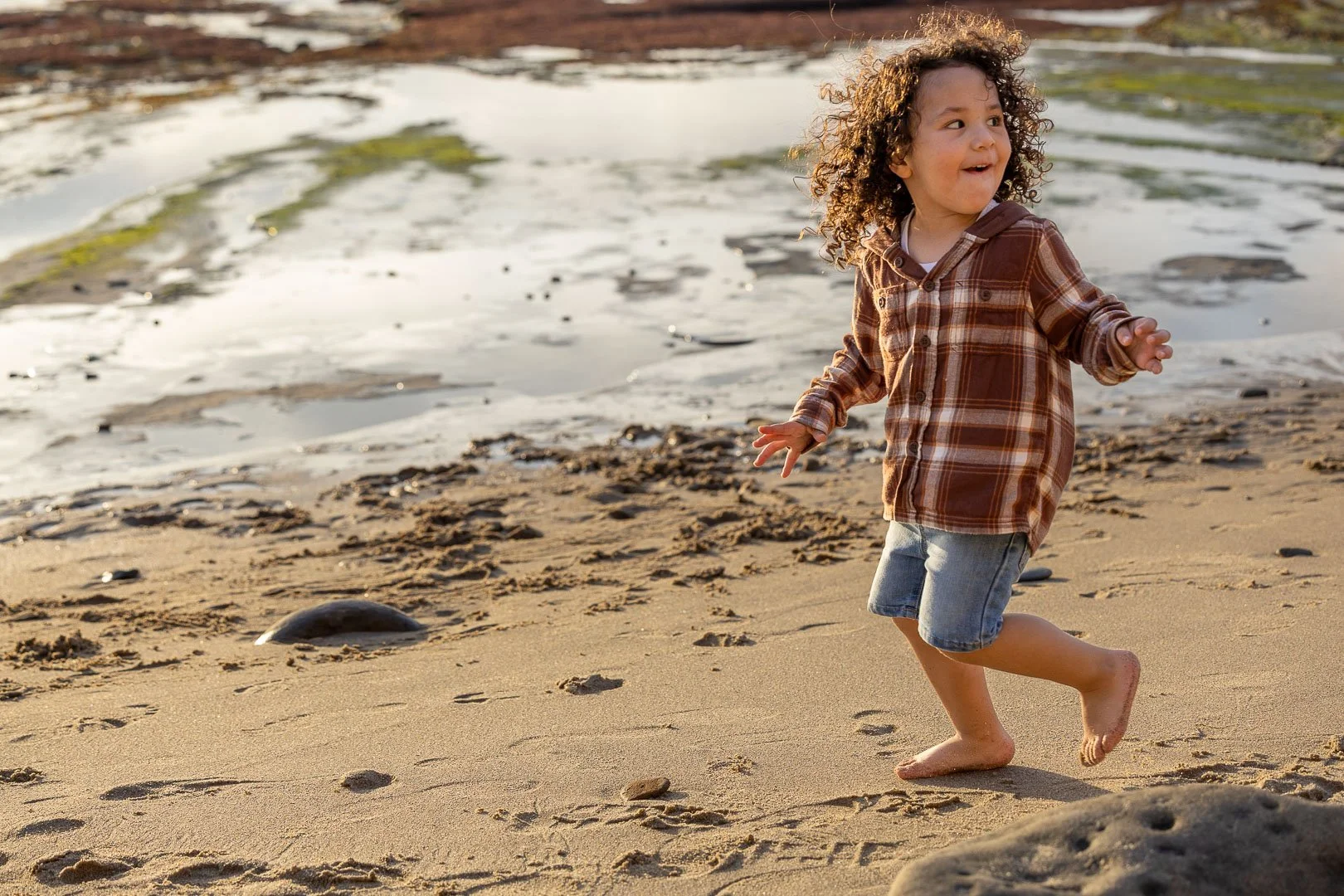
Where Memories Are Made Is Part of the Adventure
Memories are often anchored to place. Not because the location was extraordinary, but because it became part of the story.
A familiar trail. A quiet stretch of beach. A neighborhood you have walked a hundred times. These places matter because of what happened there, not because they were new.
The setting becomes part of the memory and stays connected to how the experience is remembered long after the day itself has passed.
What Changes When No One Has to Step Out of the Moment
In most families, someone is always documenting. A parent steps aside to take the photo. A phone is passed around. A moment is paused so it can be recorded.
When no one has to step out of the experience, something shifts. Everyone stays present. No one misses what is happening because they were trying to capture it.
The memory is shared fully, and the responsibility of documenting it is carried by someone outside the family. This allows everyone else to remain part of the moment.
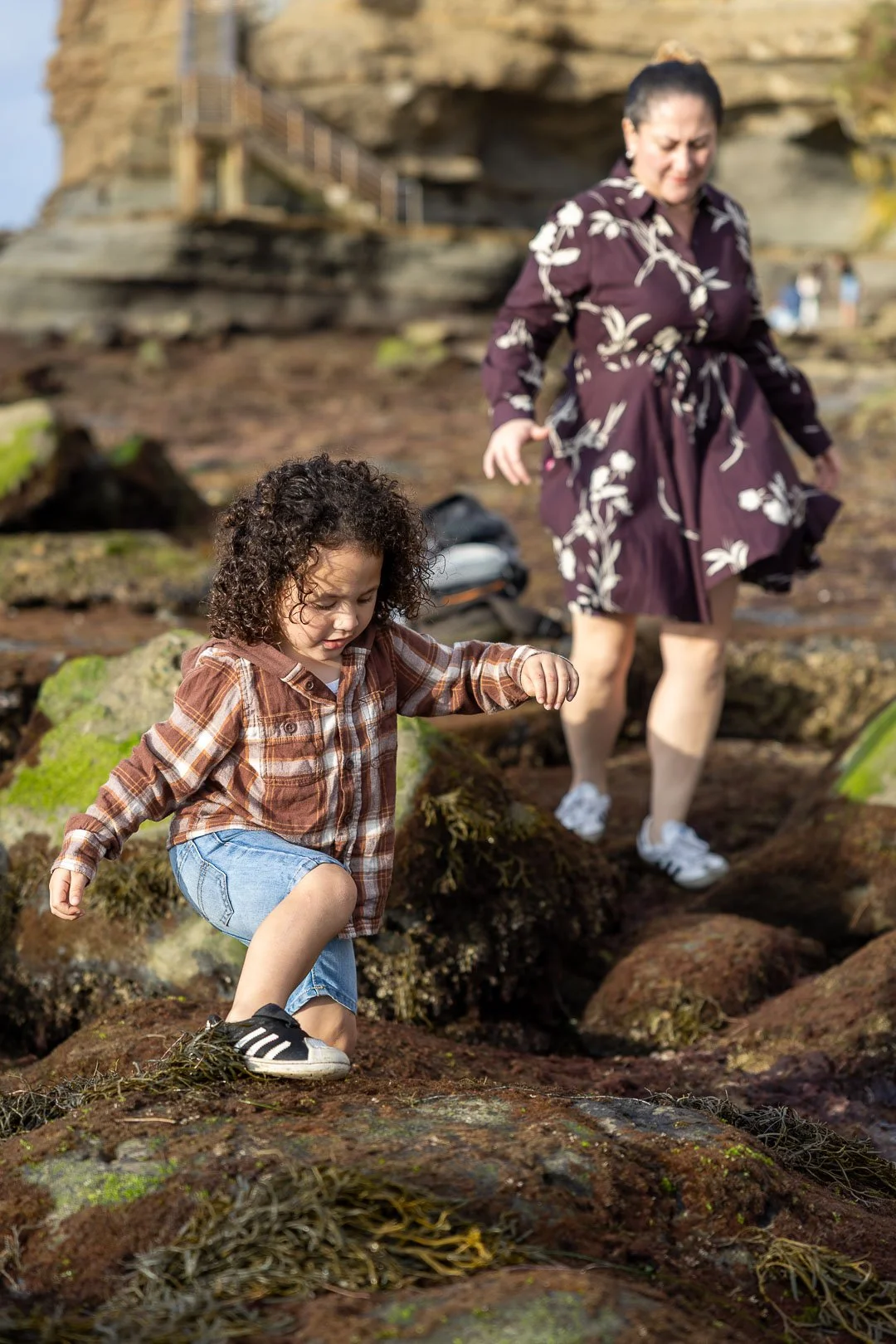
Adventures Happen Every Day, Not Just on Special Occasions
The moments that shape a family are not limited to milestones or celebrations. They happen in between. On regular days. During simple experiences that often feel meaningful only later.
These everyday adventures can pass unnoticed at the time, but they are often the ones that matter most when you look back. They do not need to be planned or manufactured. They are already happening.
The Home as a Living Museum of Your Family’s Adventures
Home is where these memories return. Where they are seen again, talked about, and quietly absorbed over time.
Photographs do not just live on walls or in albums. They become part of the space where family life continues to unfold. They remind you not just of what happened, but of who you were together when it did.
In this way, home becomes a living museum. Not of objects, but of experiences that are still being lived with, remembered, and carried forward.
